 Abdullah M Ahmed
Shaveers.
A story of ideas, decisions, and an identity that evolved with the brand.
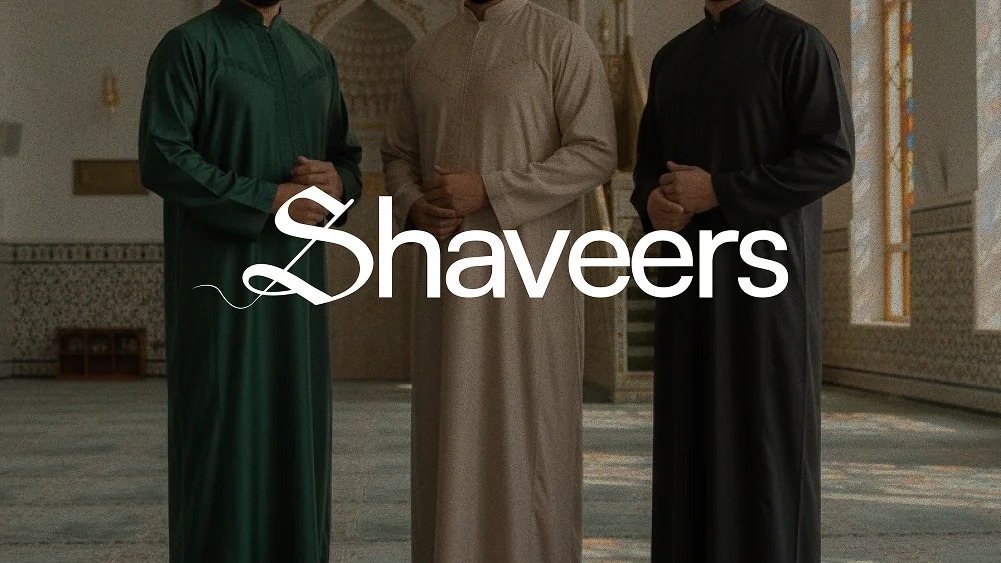
An identity shaped by a changing business.
Shaveers began as Moinul's clothing venture. My involvement started in 2023, spanning early digital planning, apparel concepts, creative direction, and contributions to later brand development.
Before the brand system, there was a conversation.
A documented exchange in April 2023 led into discussions around what Shaveers could become, what it might sell, and the practical decisions needed to move forward.
April 2023. The first explicit Shaveers strategy discussion in the supplied chat archive.
Shared an offer to discuss strategies for the clothing brand.
Discussed early plans and the direction of the clothing business.
Editorial summaries of project records, not verbatim messages.
Research before aesthetics.
Who is it for? Where would it sell?
The early plan outlined audience assumptions, intended sales regions and initial customer experience questions.
Can the product actually be made?
Print-on-demand references raised questions about availability, garment selection and fulfillment.
Sources shown as sanitized editorial summaries of your dated project documents. Research questions are not presented as validated market findings.
The direction was not fixed from day one.
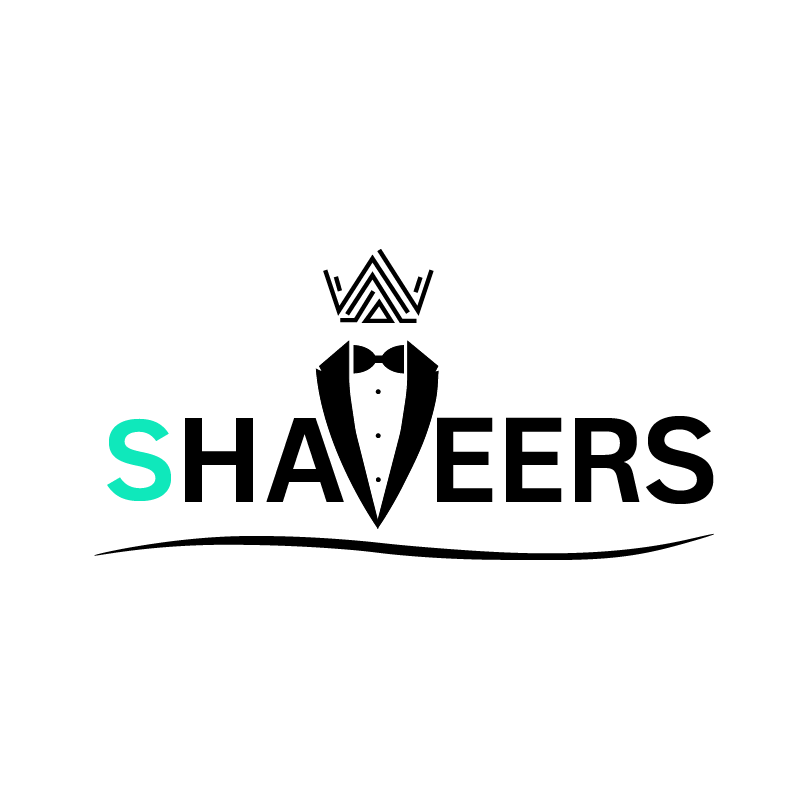
Early materials show a different Shaveers identity and product expression. The first logo originated with the founder; later experiments and creative work belong to a distinct phase from today's modestwear identity.

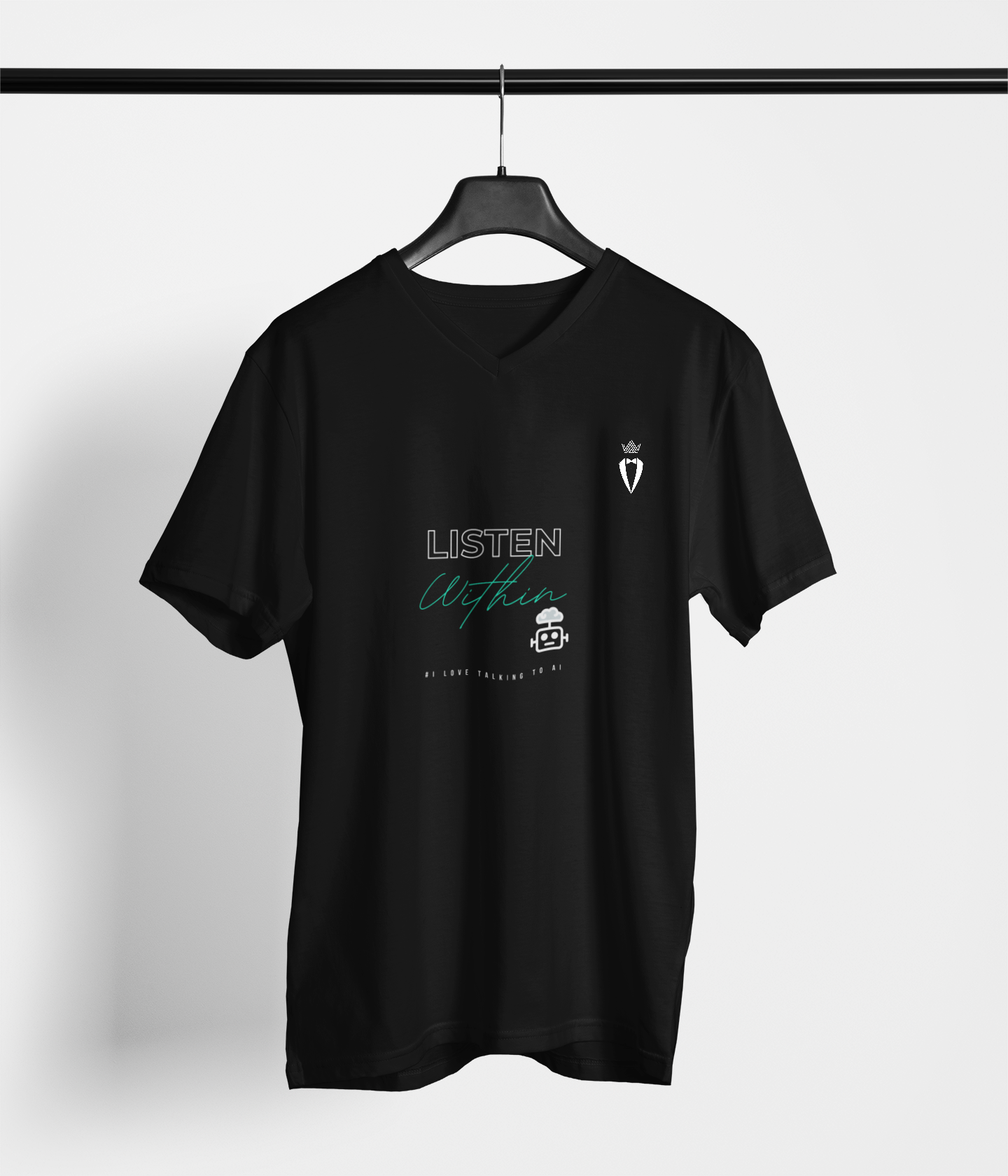
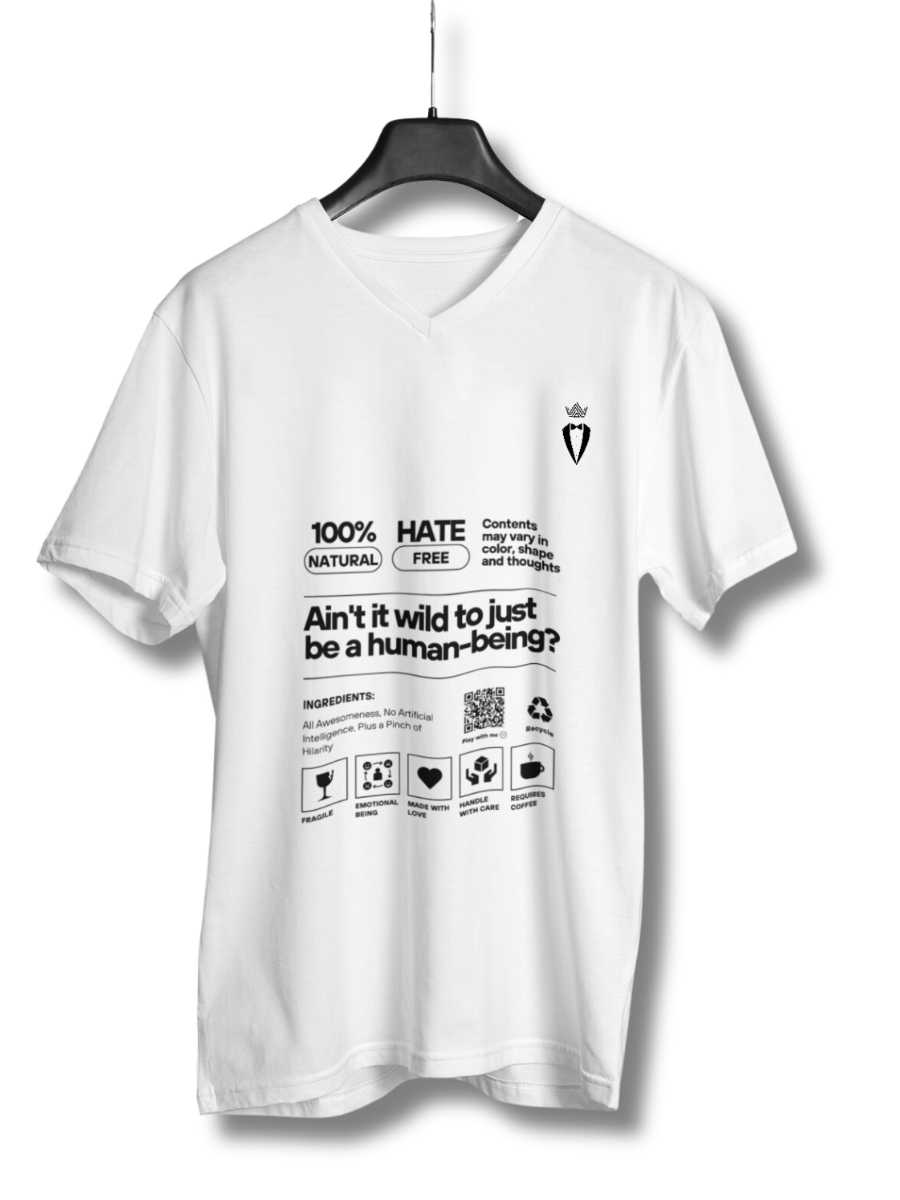
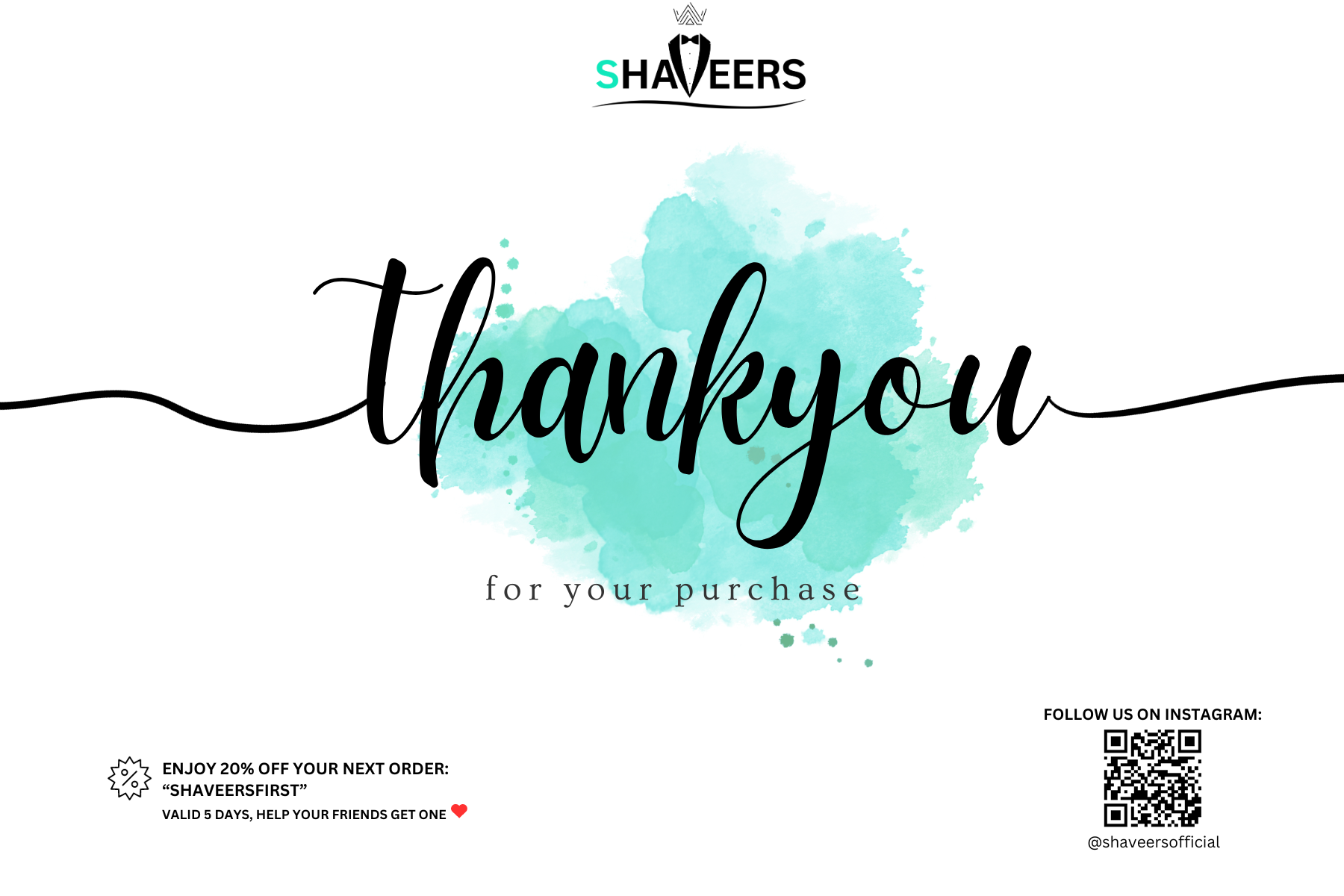
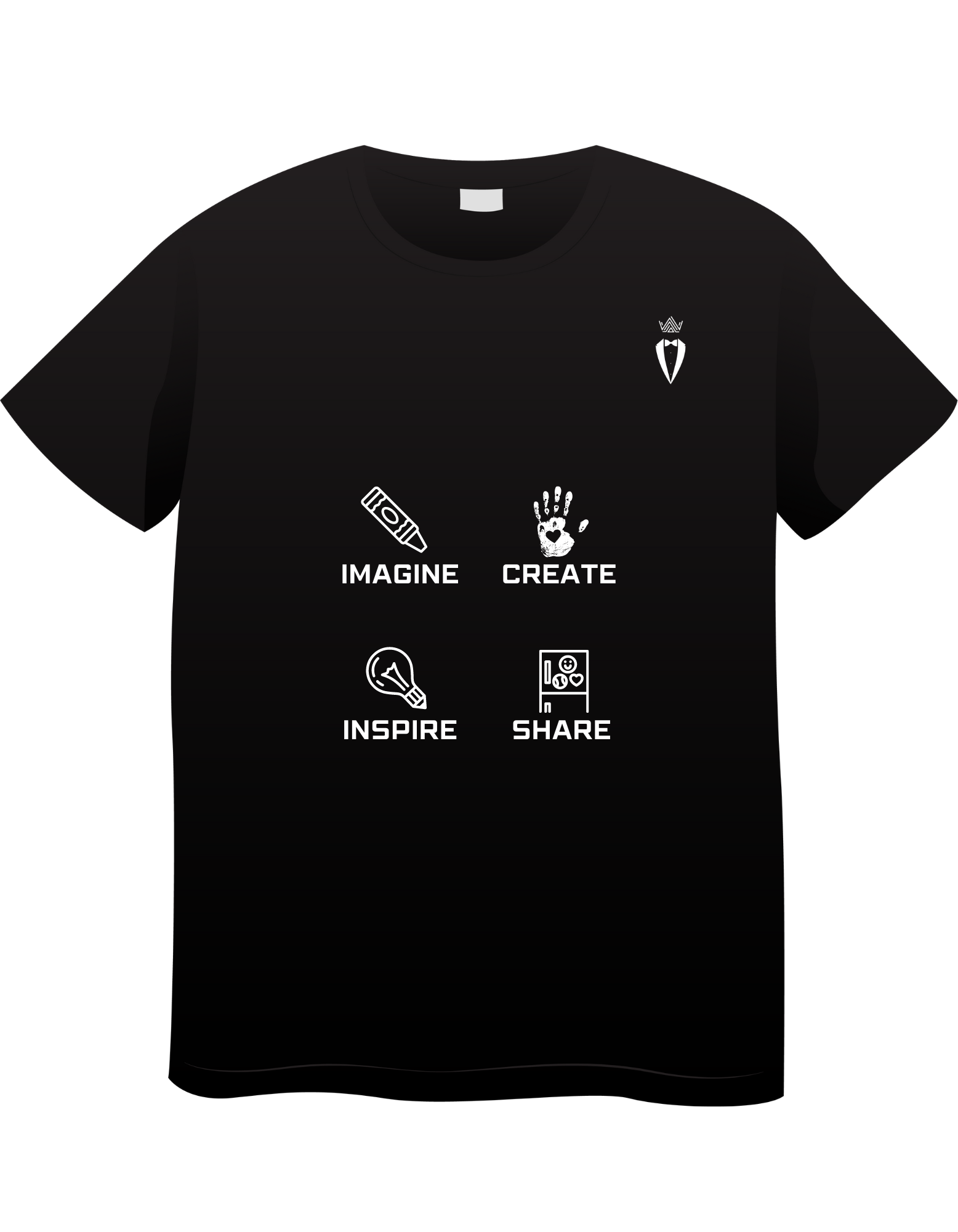
Clothing with meaning.
In 2024, one explored direction used icon-based graphics linked to activities, interests and personal expression. These are design explorations, not sales-performance evidence.
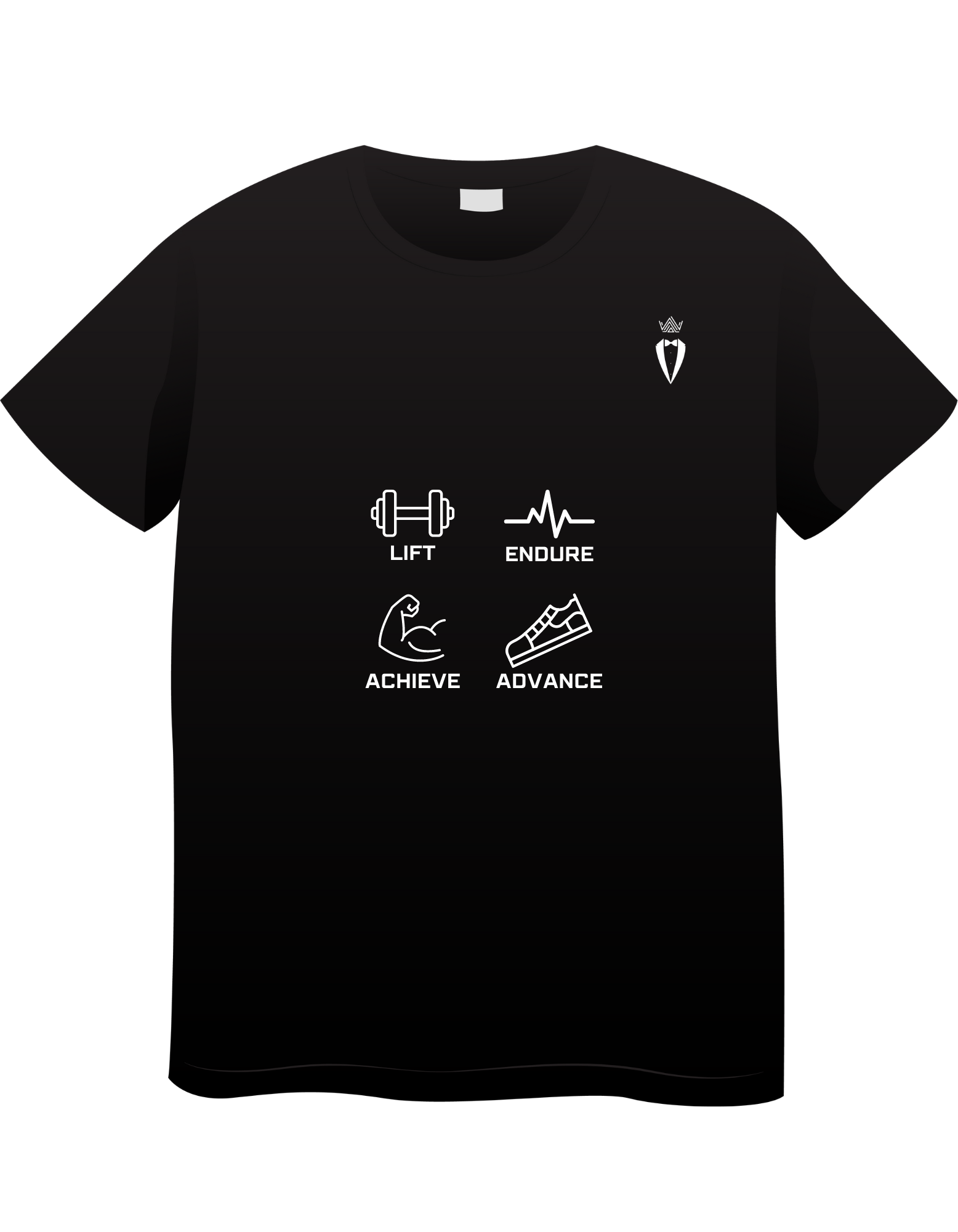
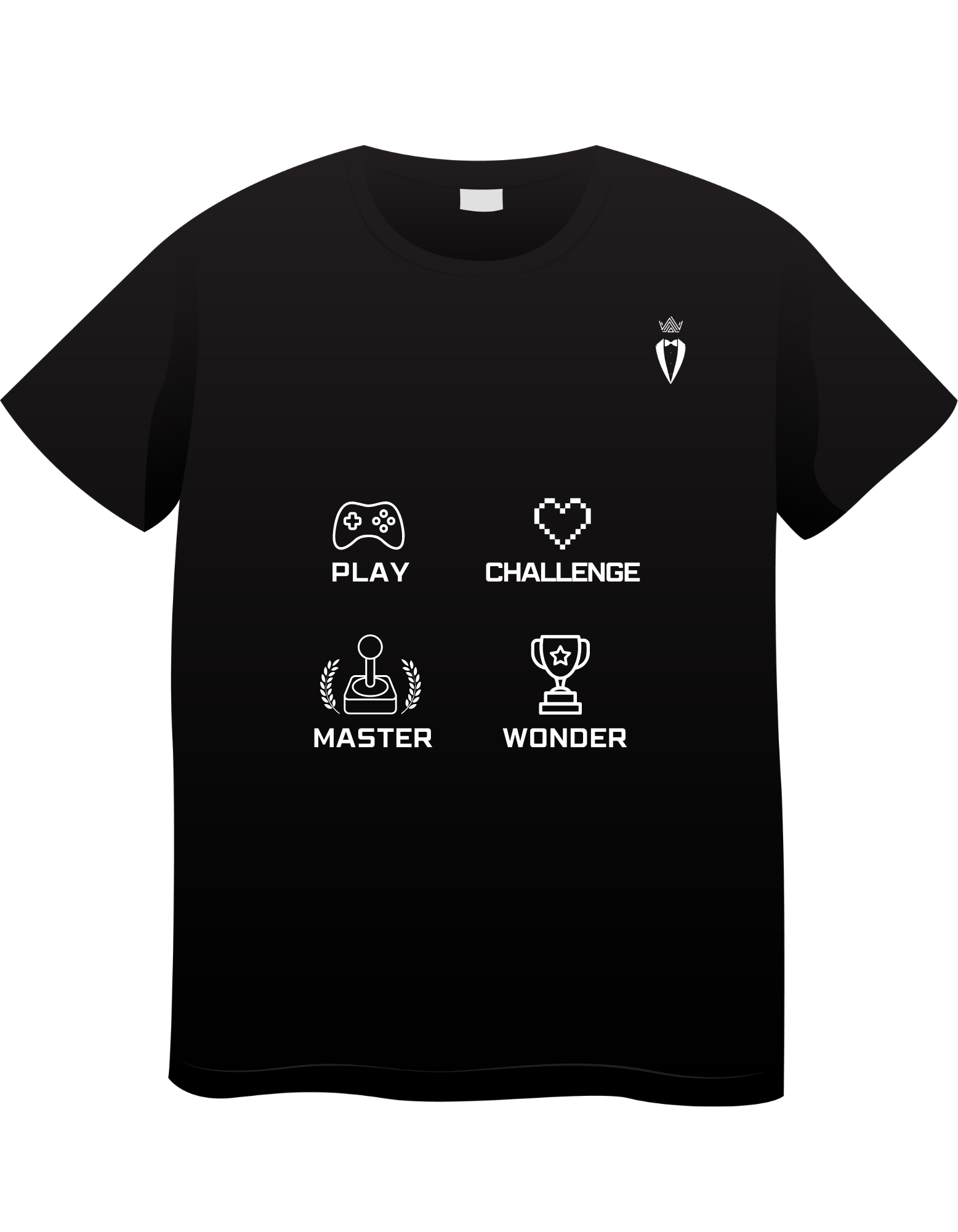
The product direction changed.
The identity had to follow.
Shaveers' later work focused on modest menswear, including thobes. New product decisions and collaborators changed what the visual identity needed to communicate.
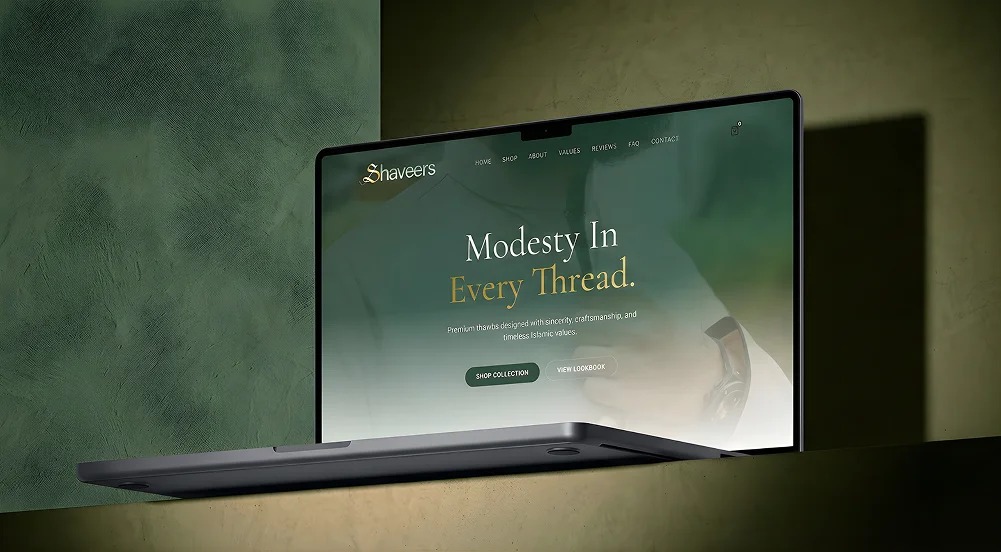
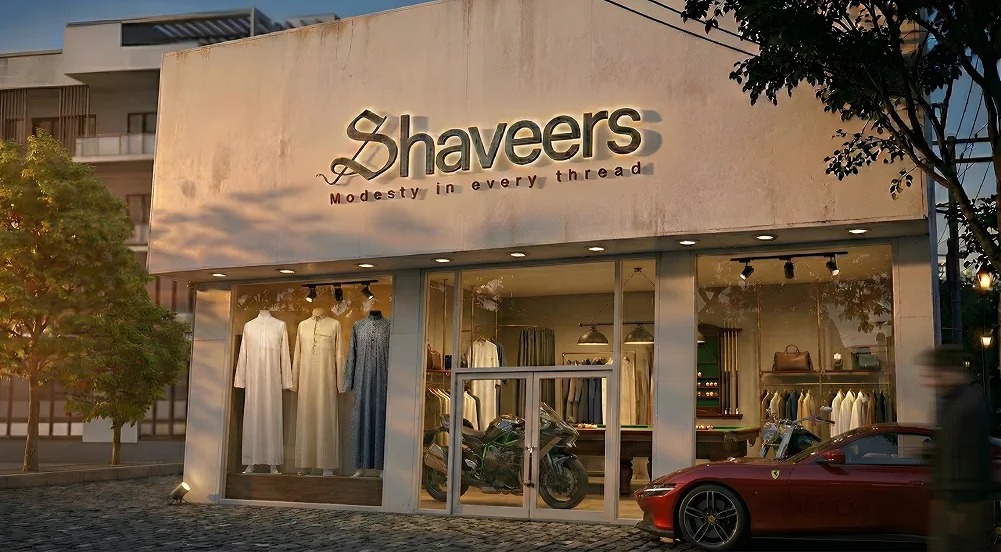
Modesty in every thread.
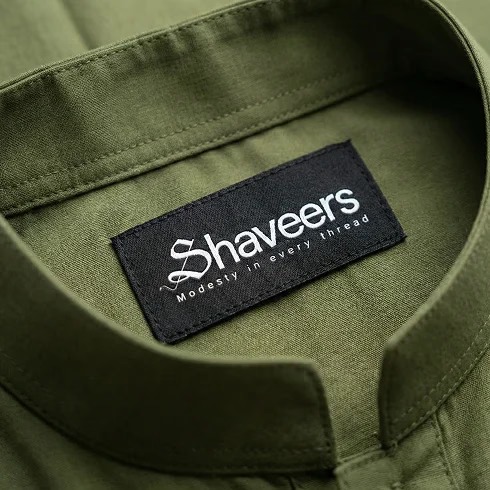
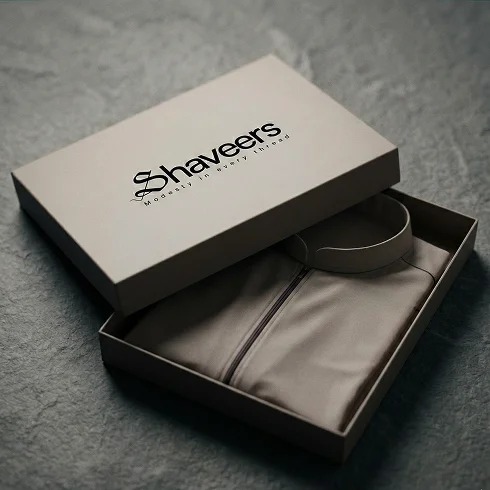
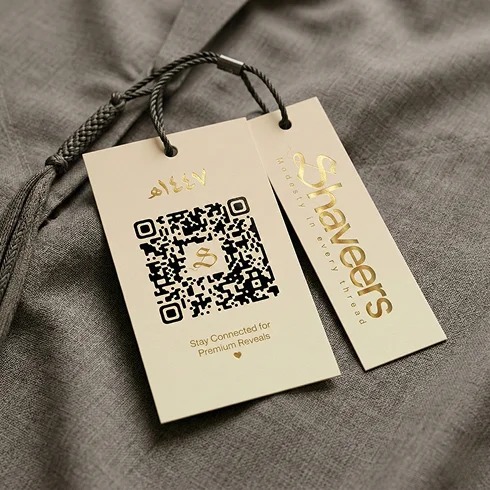
The later visual system uses a needle-and-thread inspired logotype and applies it across clothing labels, packaging presentations, hang tags and a digital storefront concept.
Decisions made visible.
Research and framing
Business and supplier exploration, initial product assumptions, practical feasibility questions.
Design and execution
Apparel graphics, identity applications, web and creative production across distinct phases.
Shared development
Working with founder Moinul and other contributors, with authorship and roles kept distinct.
The documented outcome is design work and shared brand development. Sales and customer-growth results were not measured for this case study.